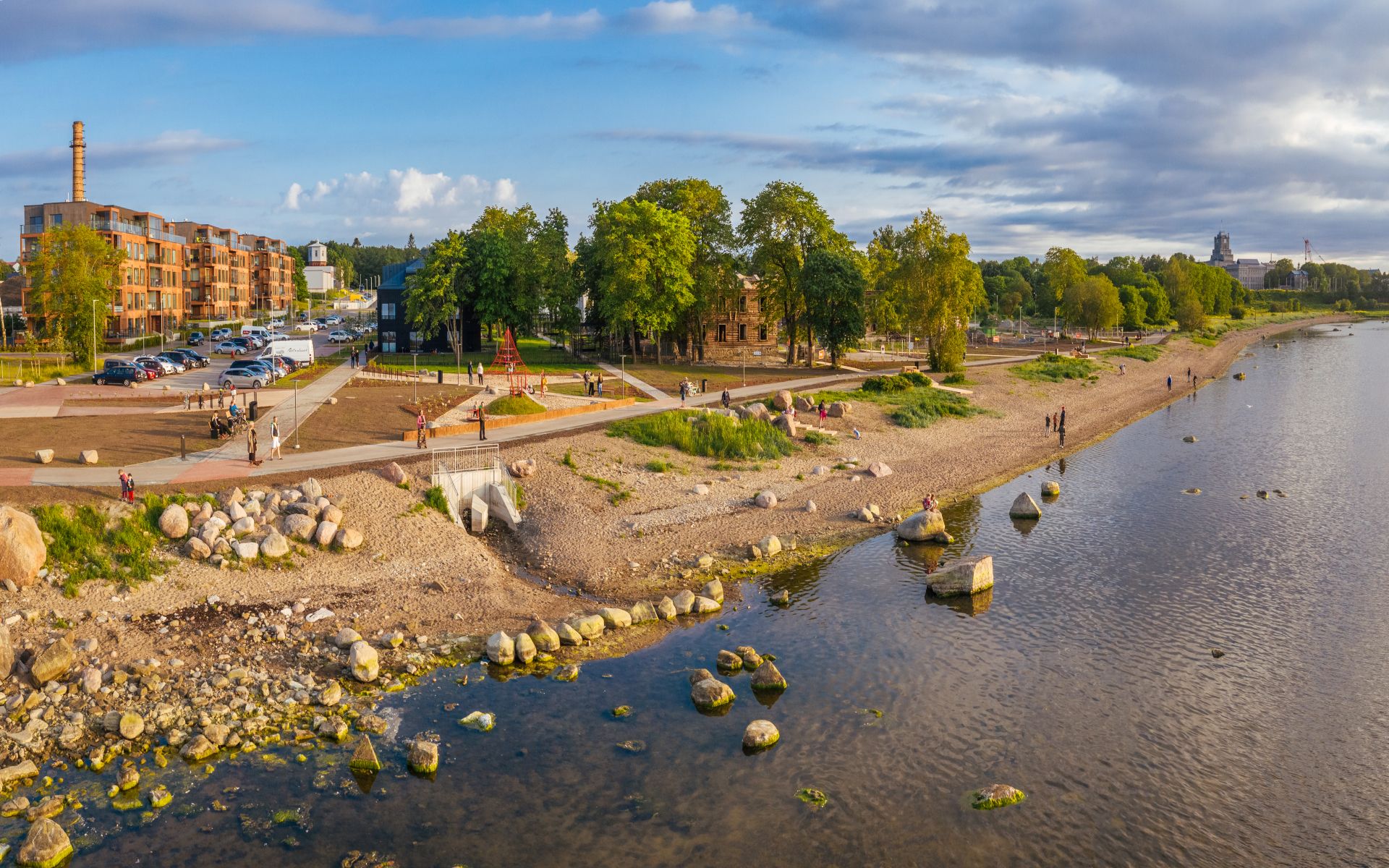
Tram T2 – The best line for an overview of the city
Getting around Tallinn by tram is convenient and easy. It may seem a bit odd to consider a single public transport line the best in the city, but the T2 tram route can claim that title with confidence. The T2 covers a large part of Tallinn’s most exciting areas and allows you to create your very own hop-on, hop-off tour.
From September 2026, there will be six tram lines operating in Tallinn. There are detailed routes and timetables for each line on the Tallinn Transport website and more information about using public transport in Tallinn on the tourism website.
A tram tour is particularly convenient with the Tallinn Card as it allows you to use Tallinn’s public transport for free. The Tallinn Card also gives you free entry to all the city’s main museums in addition to plenty of other discounts.
Trams on the T2 line also generally have low-floor access, which makes it easy to travel with suitcases, baby carriages and wheelchairs.
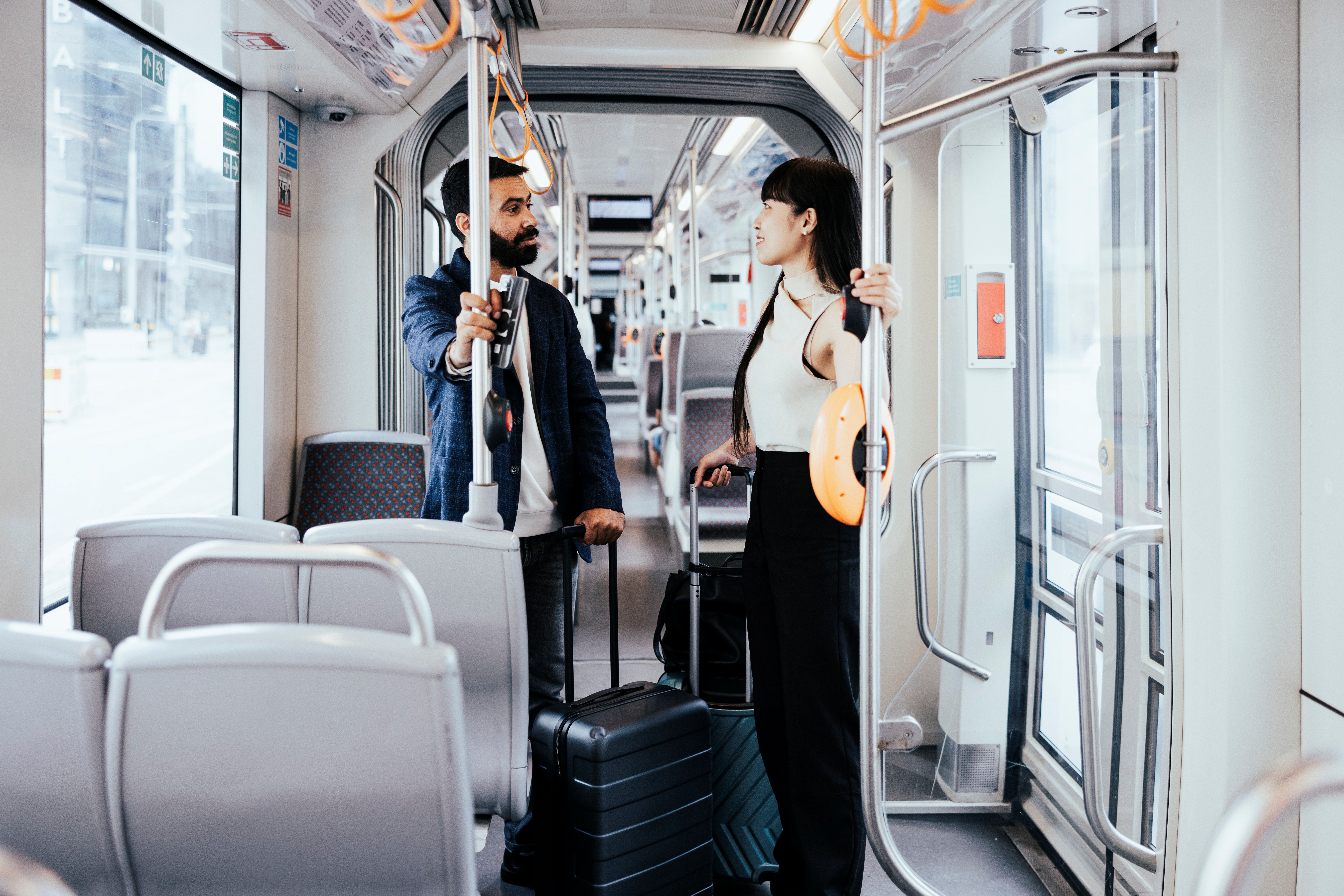
The T2 passes through all of Tallinn’s main transport hubs along its route – the tram stops at Tallinn Airport, near Tallinn Bus Station and in front of Terminal A at the Port of Tallinn. However you’re arriving in Tallinn or travelling onwards – T2 is most likely to be the best public transport option for you.
But the value of T2 is by no means limited to that! Travelling along this line will take you to many parts of Tallinn where both locals and visitors can enjoy themselves. From start to finish, travelling along the whole line takes about 45 minutes, or 1.5 hours for a round trip.
Key Stops on Tram Line T2
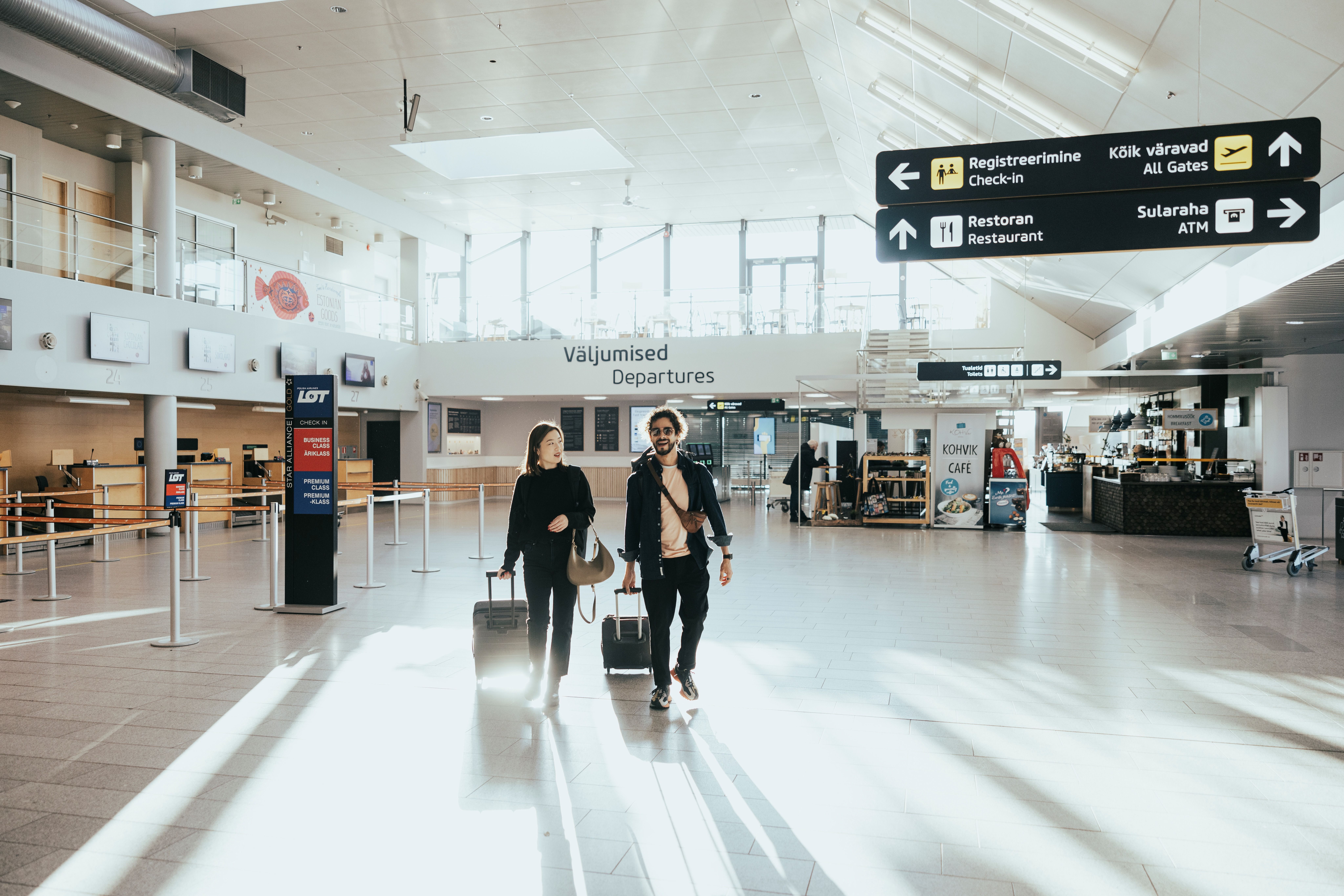
Lennujaam (airport) – The tram stop is situated on the city-facing side of the compact Tallinn Airport. The tram journey from the city centre takes about a quarter of an hour, and it is just a couple of minutes’ walk from the stop to the airport’s departures area.
Bussijaam (central bus station) – The central bus station connects the capital with other cities in Estonia, and international routes to Latvia and Lithuania also depart from here. The tram stop is about 200 metres from the bus station.
Keskturg – A traditional open-air market, the appearance of which may seem downright exotic for a visitor to the city. The market, which has been operating for more than half a century and retained its original form for several decades, offers visitors an exciting experience; for locals, however, the market’s value lies in its wide range of products and excellent prices. The market is due to undergo renovation shortly, so it is worth taking the opportunity to see it before it changes.
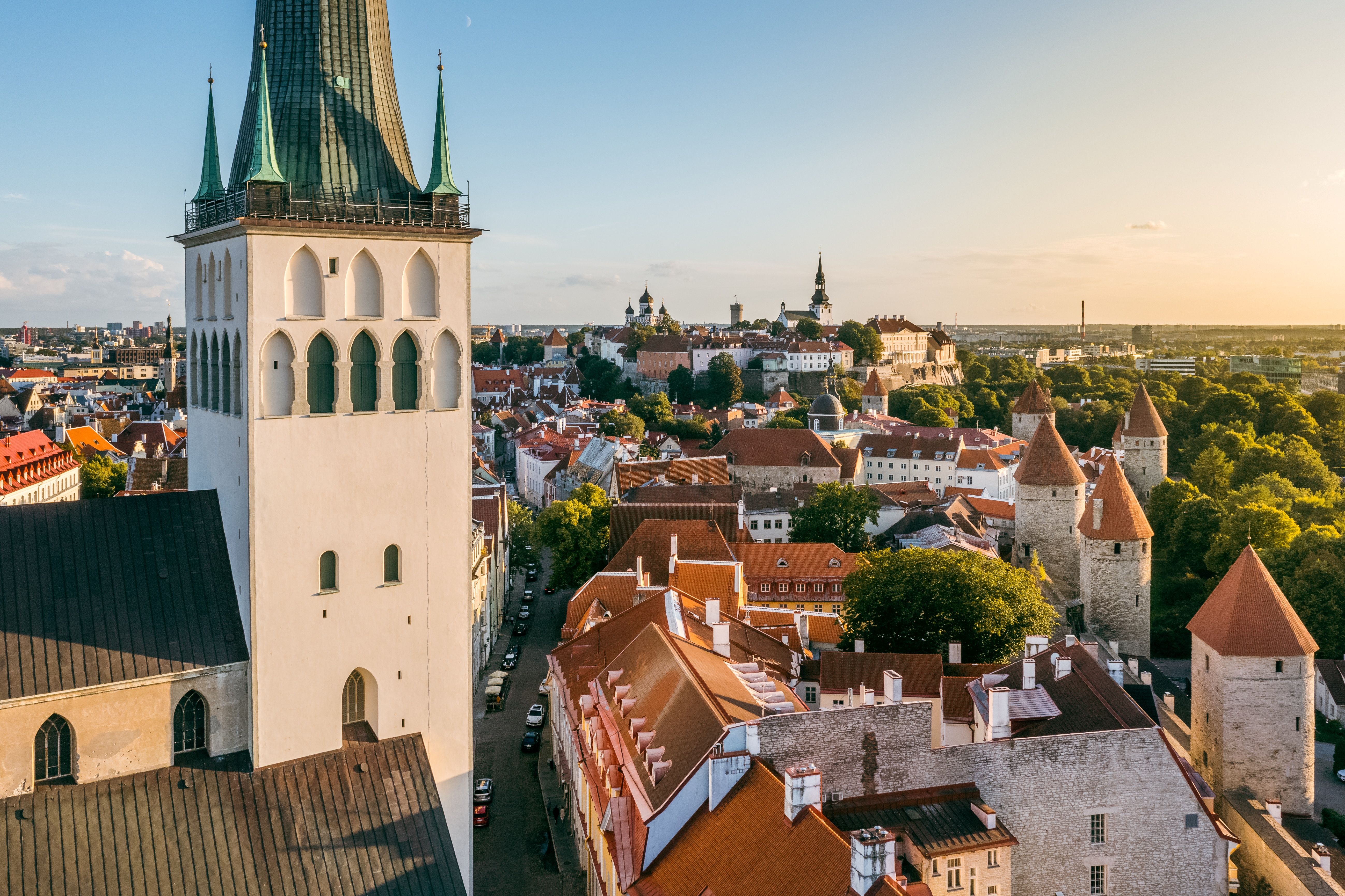
A. Laikmaa – The bus stop next to Viru Keskus is also the closest one to the Old Town. Take a stroll through the Old Town, a UNESCO World Heritage Site, visit acclaimed museums that showcase the city’s history through art and culture, enjoy the magnificent views from Toompea, and let the medieval cityscape transport you back in time.
Laeva – From this stop, it is just a few steps to the Rotermann Quarter, one of Tallinn’s most stylish and vibrant areas. Here you will be welcomed by excellent restaurants, a wide selection of fashion boutiques and design shops, and a vibrant nightlife. The PoCo Pop-Art Museum, with its world-class collection, and the Estonian Museum of Architecture, housed in the historic Salt Storage, offer a cultural experience.
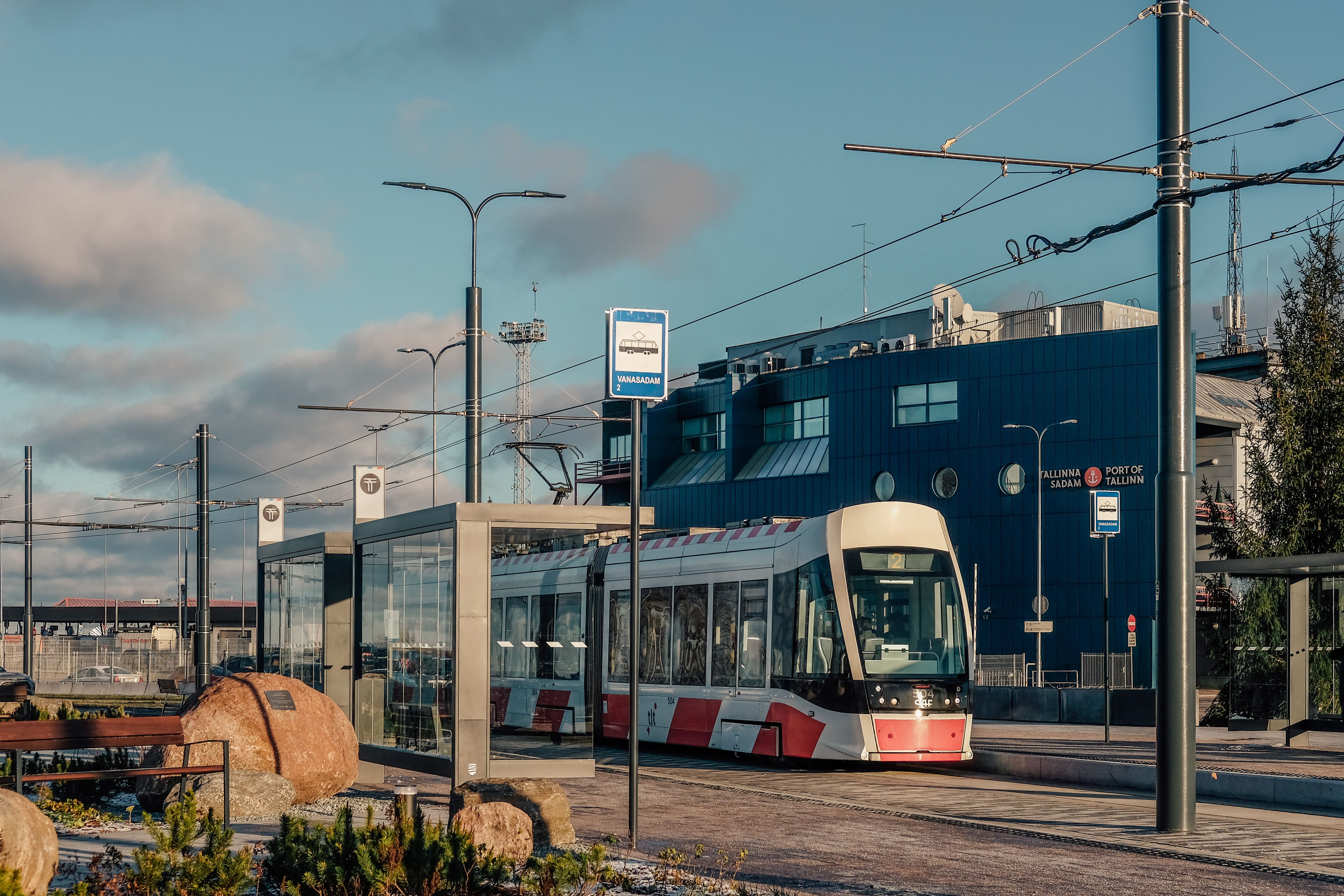
Vanasadam – A convenient stop for those arriving in Tallinn by ferry or those planning to continue their journey to Helsinki or Stockholm. Terminal A is just a few steps away, and it’s about a ten minute walk from Terminal D.
Linnahall – Get off at this stop to admire a unique architectural gem. The cultural centre was built in time for the 1980 Moscow Olympic Games, and even housed an ice rink back in the day. This large Soviet-era building has stood empty for years and its future remains uncertain. Climbing the stairs reveals a lovely view of Tallinn Bay, but as the building is no longer in good condition, you must be careful and walk along it at your own risk. Access to the building can be gained via an exciting guided tour.
Balti Jaam (central train station) – This is where Tallinn’s central railway station is located, connecting the capital with other major towns in Estonia. Right next to the railway station, however, is the popular Balti Jaam Market, where you can find fresh local produce, a street food area and interesting antique, vintage, and second-hand shops on the second floor of the market building.
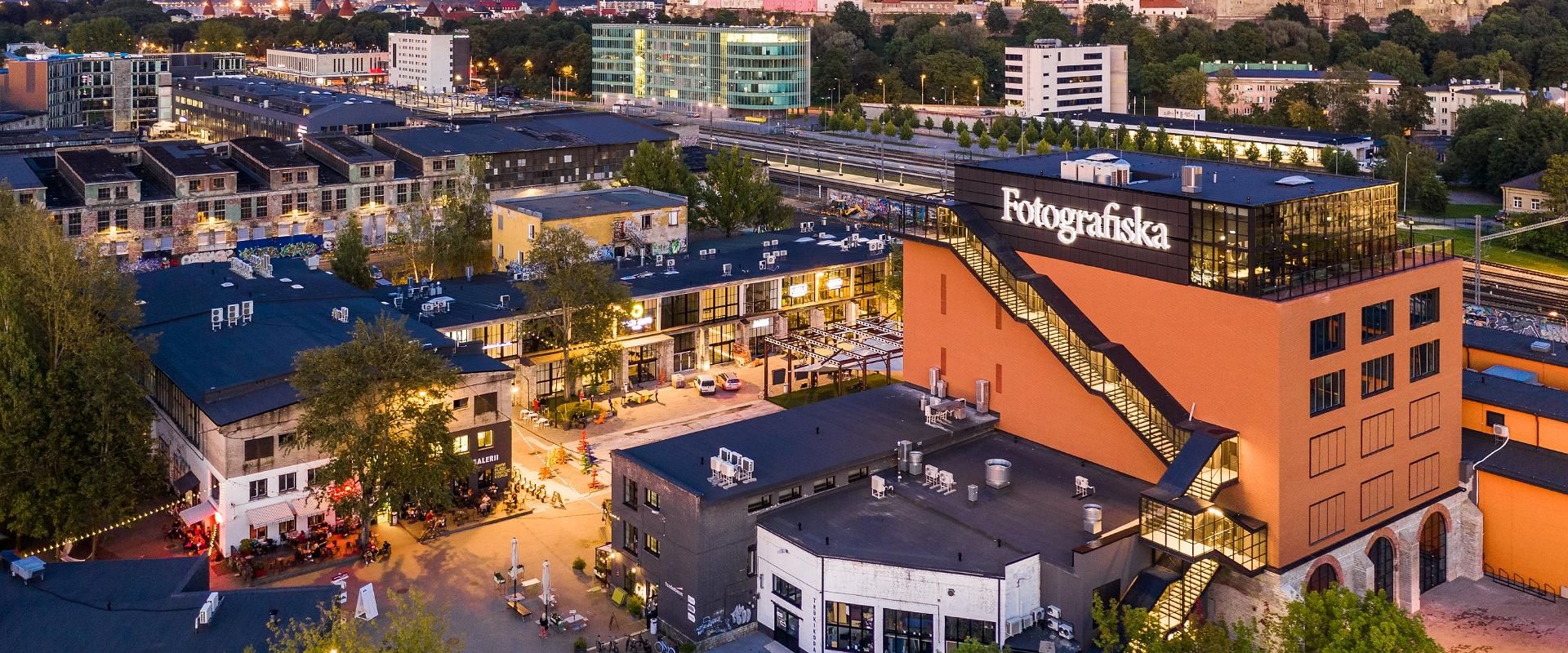
Telliskivi – A popular leisure area with an industrial heritage, bustling with activity 24/7. The Telliskivi area is home to a number of excellent restaurants, cafés and bars. It is also home to local businesses – anyone interested in Estonian design should definitely pop into Telliskivi’s Shopping Street, where you’ll find jewellery, ceramics, clothing and accessories, and even furniture. The Telliskivi Creative City is also home to the acclaimed international centre for photographic art, Fotografiska Tallinn.
Volta – the Krull and Volta areas are up-and-coming, trendy hubs in North Tallinn. You will find several excellent restaurants here, such as The Kurze, which specialises in Dagestani cuisine, and Sadu, with its Korean-inspired menu, which is also featured in the Michelin Guide. Strolling through the neighbourhood gives you the opportunity to admire both modern residential architecture and the historic wooden buildings characteristic of Kalamaja.
Angerja – The Pollinator Highway, which is of vital importance to Tallinn’s biodiversity, begins nearby; it connects the Pelgulinn subdistrict with the Pelguranna area along Stroomi Beach. This fascinating self-guded walking journey will help you get to know the unique features of Tallinn’s urban nature and enjoy a peaceful green oasis in the middle of the city.
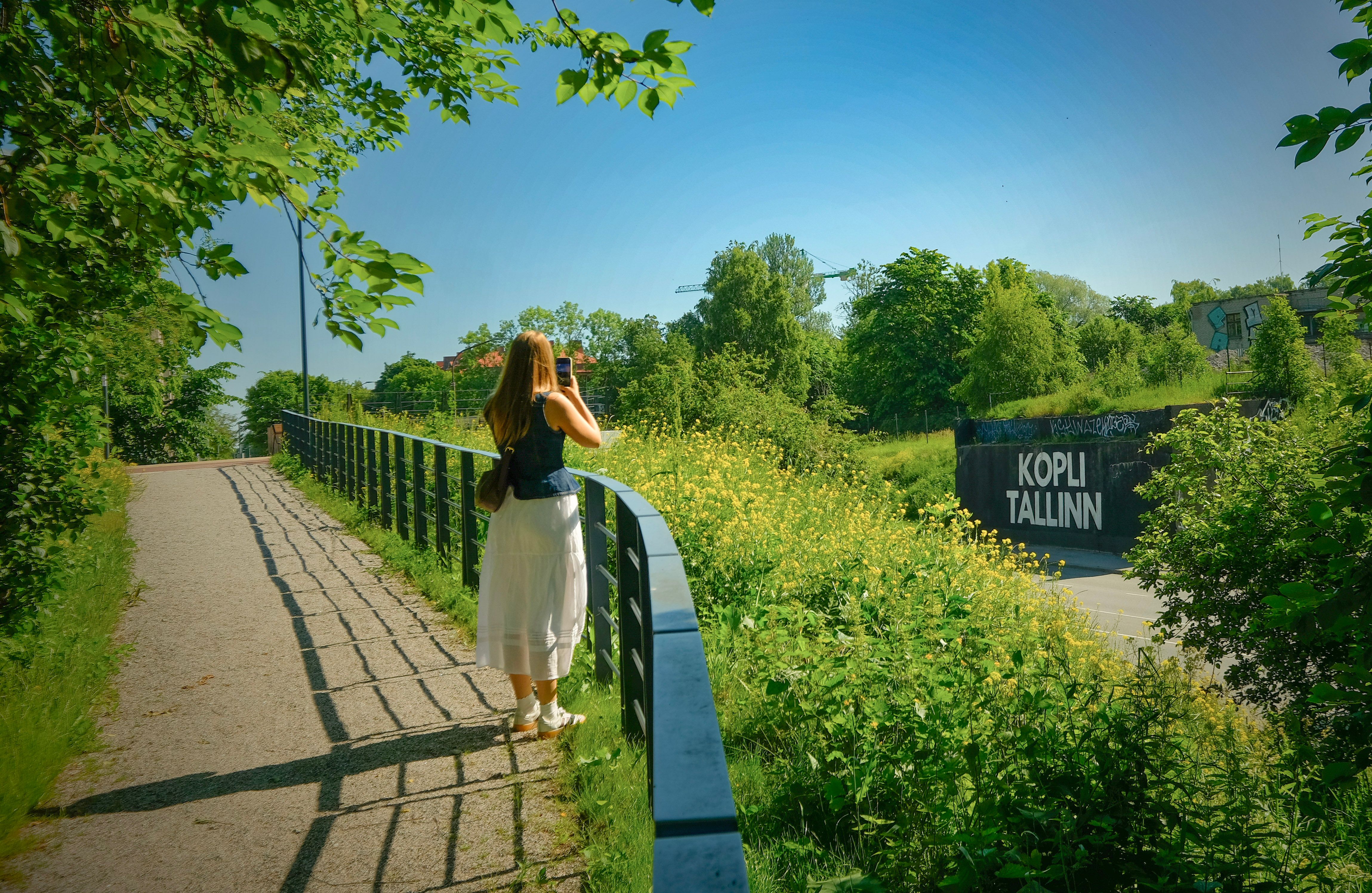
Marati – Here you have a choice: either head for Kase Park, which is characterised by a unique boulder field dating back to the Ice Age and beautiful white birch trees, or cross the road towards the Põhjala Factory. The latter is a former industrial complex that has been transformed into a creative urban space. It is home to dozens of creative studios where artists work in fields that include fashion design, music and ceramics. In addition, the complex houses the Karjase Sai bakery, the Kopli Köök restaurant, the Tuletorn brewery, the ReAD bookshop alongside the Kiosk No. 3 Café and many other businesses and shops.

Kopli – The T2 line’s final stop in the heart of the Kopli district. This area has a fascinating history and is well worth a visit – take a stroll around the Kopli district and enjoy the sea views from the local promenade. Another route takes you through the historic Professors’ Village. Tallinn’s cityscape offers an insight into the various periods and twists and turns of Estonia’s history. The new awakening of the Kopli neighbourhood is a testament to Tallinn’s vitality and the enduring drive of its residents to preserve and develop their living environments.