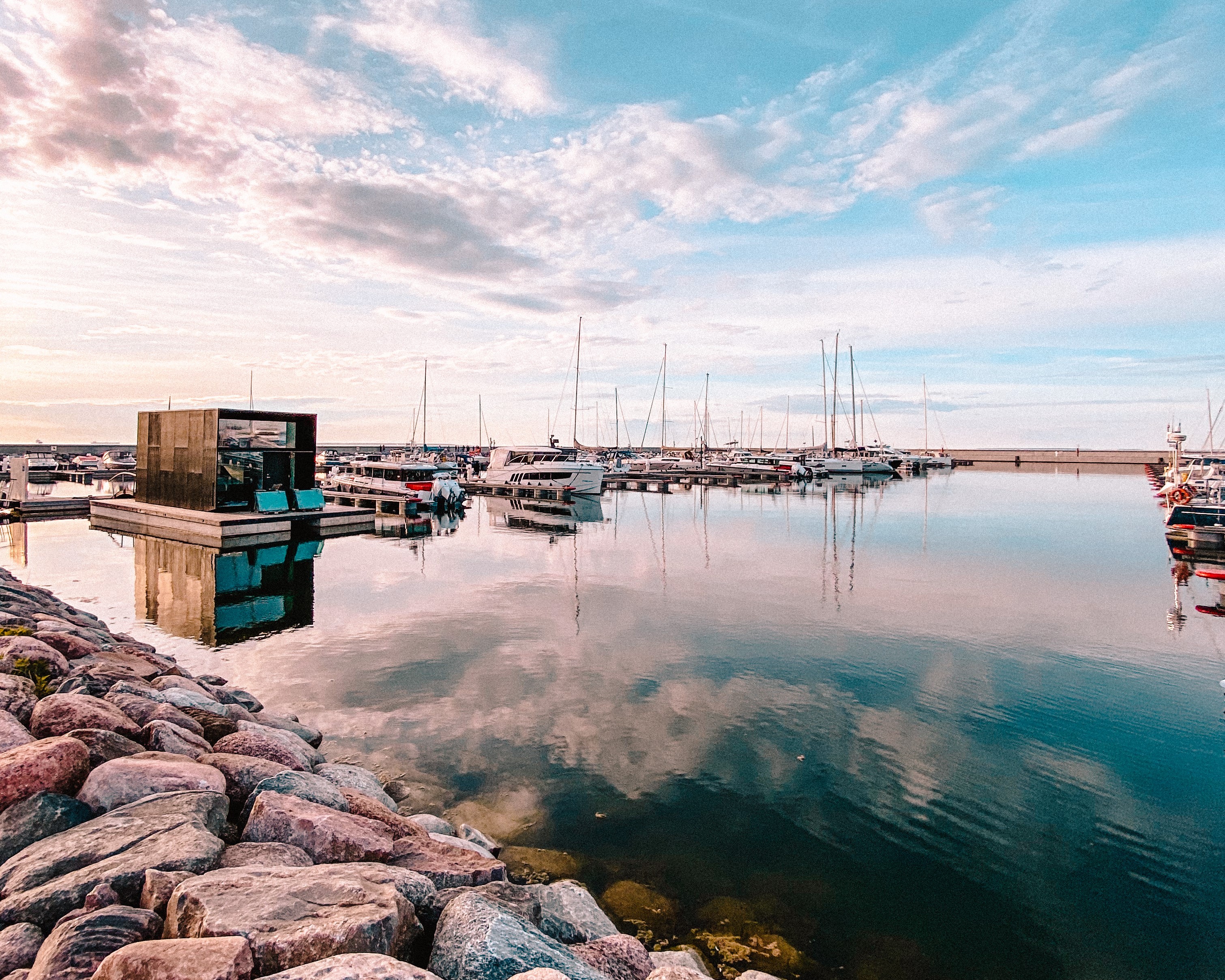
A Self-Guided Walk in Tallinn – Pollinator Highway and Rocca Al Mare
North Tallinn is one of the city’s most exciting areas and offers plenty to discover alongside the historic neighbourhoods of the Old Town and the city centre. At the tip of the peninsula, in the Kopli district, you can explore Tallinn’s industrial heritage and admire the residential buildings restored in the 21st century and the revitalised living environment.
Other areas to the north of Tallinn’s city centre are also well worth exploring, and this walk takes you on a journey through a nature corridor full of diverse species to a beautiful seaside promenade.
During the adventure that awaits, you will:
- Get on the tram at Baltic Station and travel to Pelgulinn.
- Walk along the Pollinator Highway full of diverse species towards Stroomi Beach.
- Enjoy the sea views along the Rocca al Mare promenade and watch the seabirds.
- Finish the tour at the Estonian Open Air Museum.
The walk is approximately six and a half kilometres long and takes 2 to 3 hours.
Start of the Journey: From Baltic Station to Ristiku Street
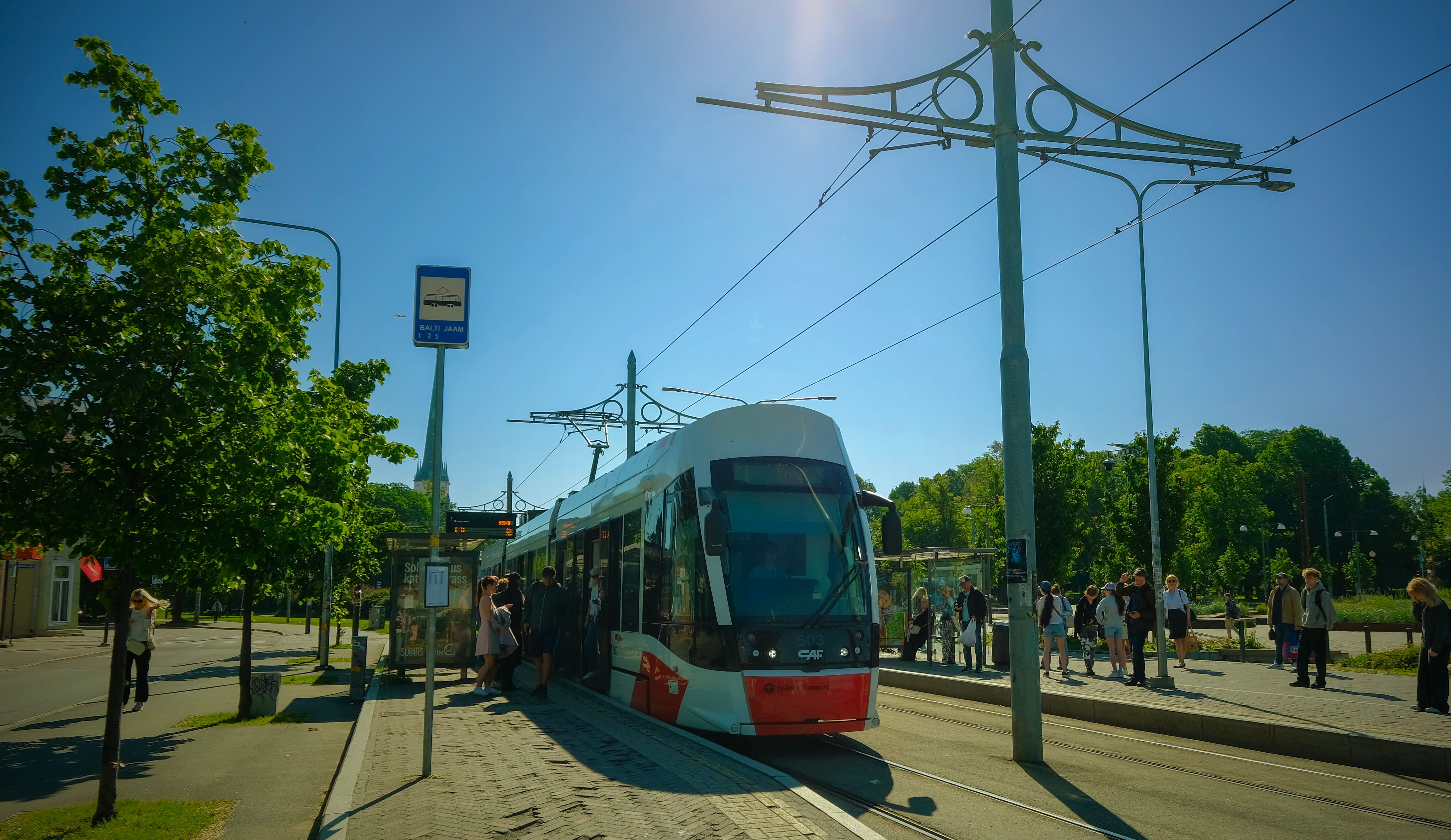
Like many other self-guided walking routes in Tallinn, this one starts near Tallinn’s railway station, also known as Balti Jaam. Next to the market building is the Balti Jaam tram stop, where trams T1, T2 and T5 stop. Get on any tram heading for Kopli and travel for about 5–6 minutes to the Angerja stop.
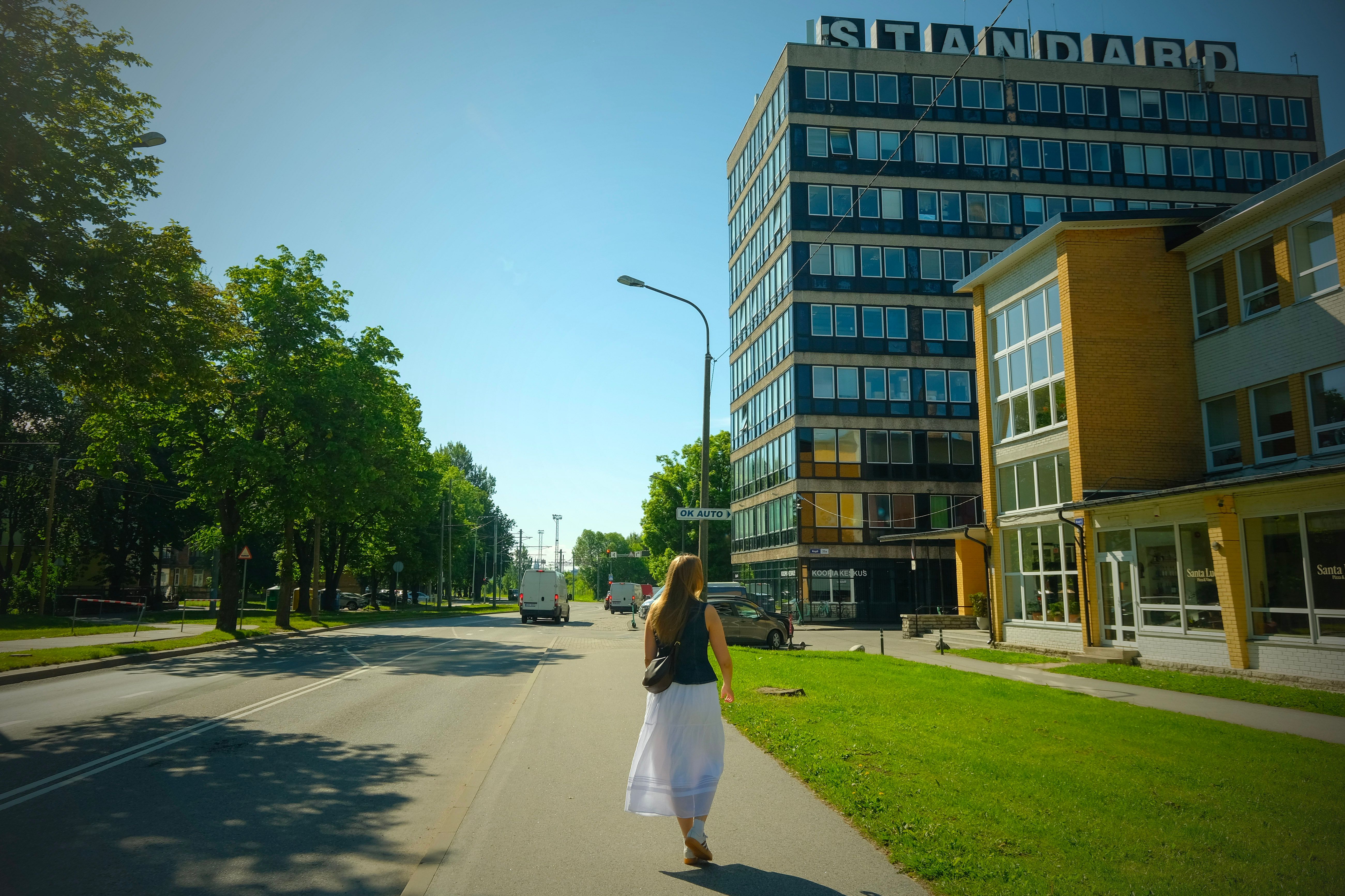
After getting off at the Angerja stop, cross the road and turn left, heading towards the Standard commercial building, which is a great example of 1970s architecture. Just before reaching the Standard building, you will pass Bekker bakery, which is definitely worth popping into to pick up a freshly baked pastry, a refreshing cup of coffee or a matcha latte. Among Bekker’s baked goods, you’ll also find lactose-free, nut-free and vegan options, and you can choose between animal-based and plant-based milk to go with your drinks.
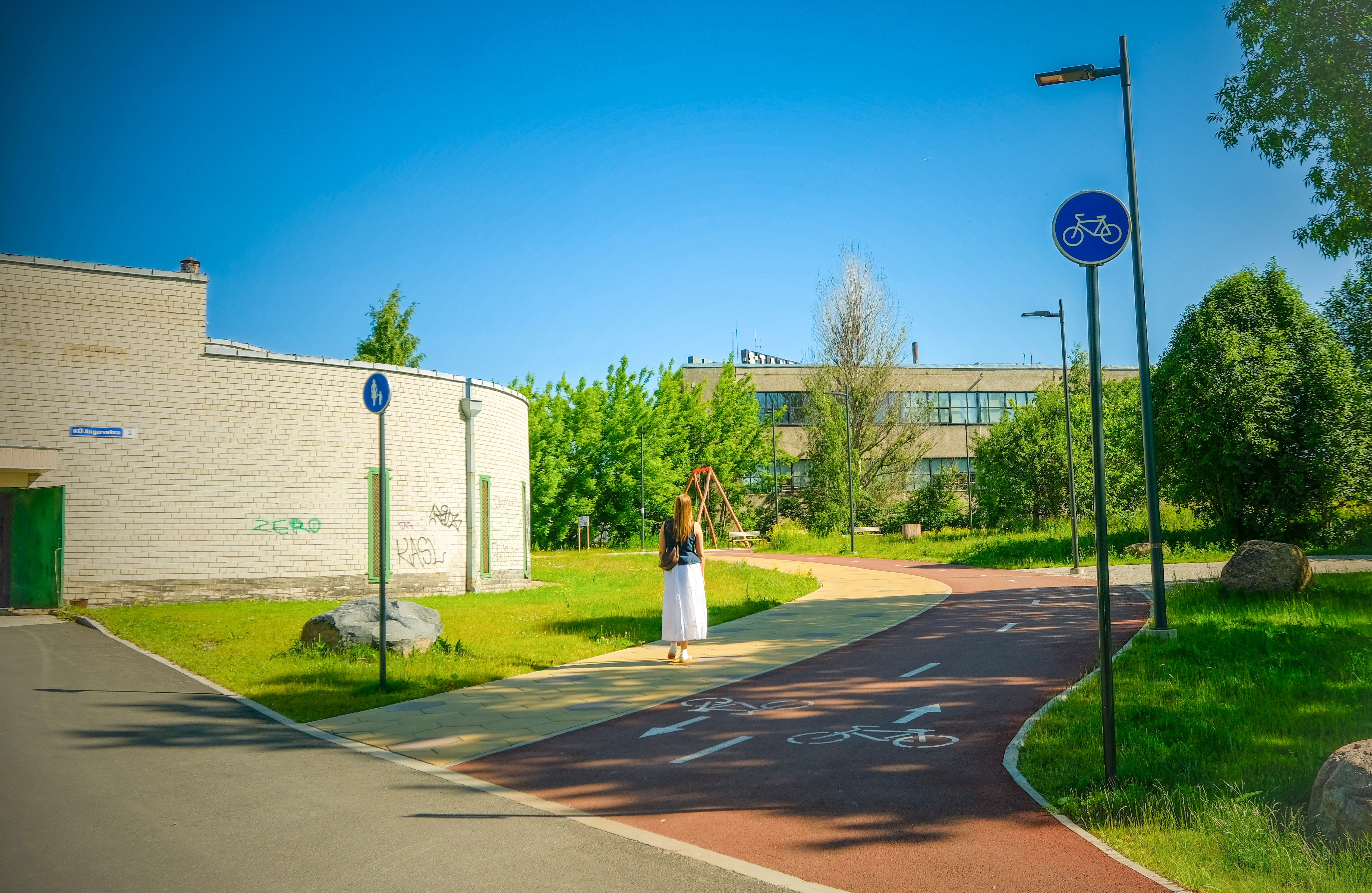
Carry on until you reach a junction, then turn right onto Ristiku Street. Continue downhill until the road turns to the left. Your journey will continue to the right, where the cycle path and Pollinator Highway begin.
The First Section of the Pollinator Highway and the Route Through Pelgulinn
The Pollinator Highway is a green corridor running through North Tallinn and links urban nature, cycle paths and habitats created for pollinators. A 1.5 kilometre section has now been finished, running from Pelgulinn to Kolde Boulevard.
Right at the start of the Pollinator Highway, you can enjoy a view across Pelgulinn towards Tallinn city centre. The church spires and watchtowers of the Old Town stand out very clearly, showing that nothing is actually that far away in the compact city of Tallinn.
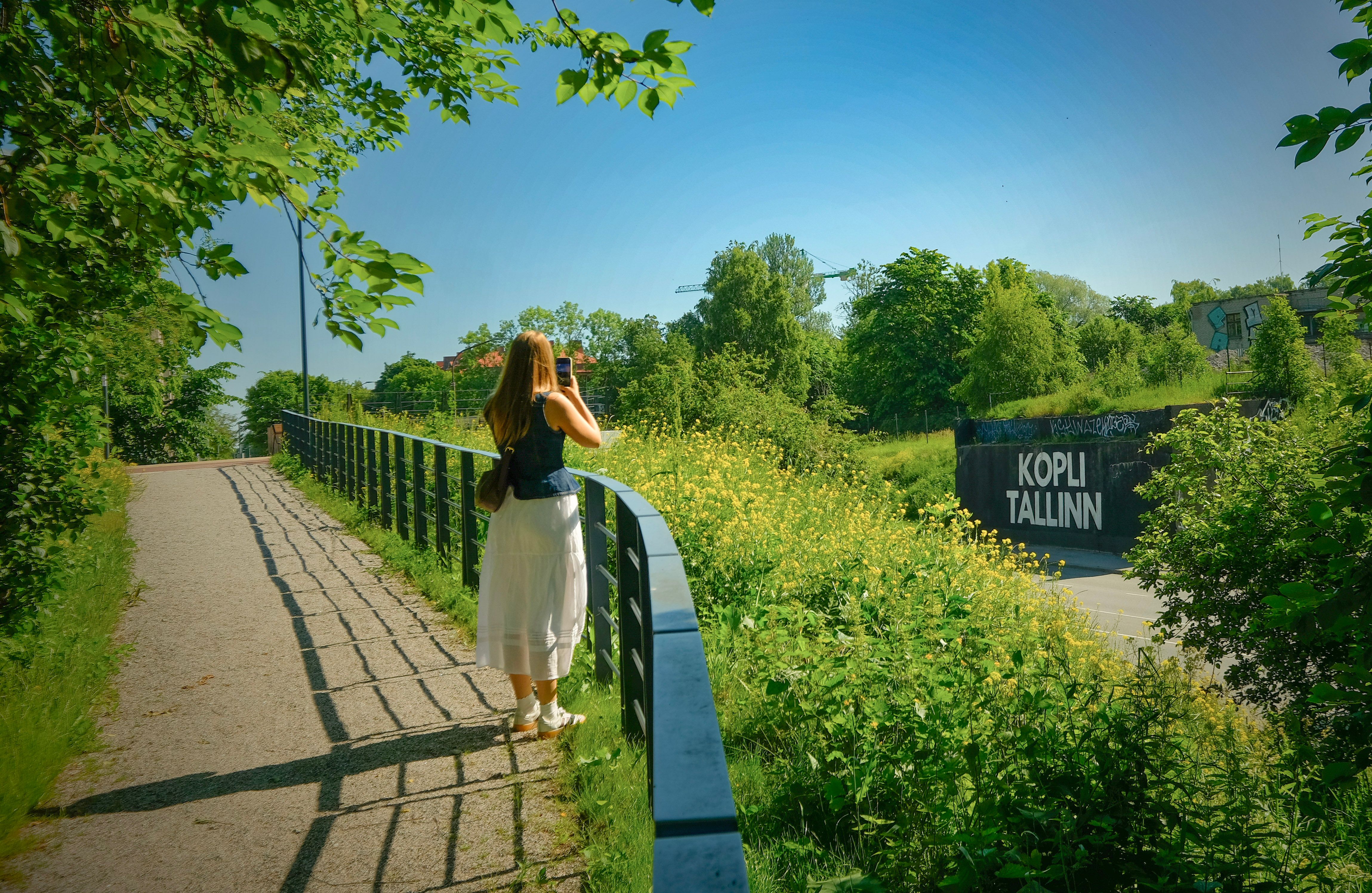
The first half of the Pollinator Highway runs through the Pelgulinn district. The former high-voltage power line corridor has been reconstructed, primarily to allow pollinators living in the city to go about their business undisturbed. Flowering plants and shrubs have been planted along the cycle path, providing a wealth of food sources for bees, butterflies and other insects that are vital for maintaining biodiversity. The Pollinator Highway features plenty of benches, interesting information boards, a drinking fountain and toilets for visitors.
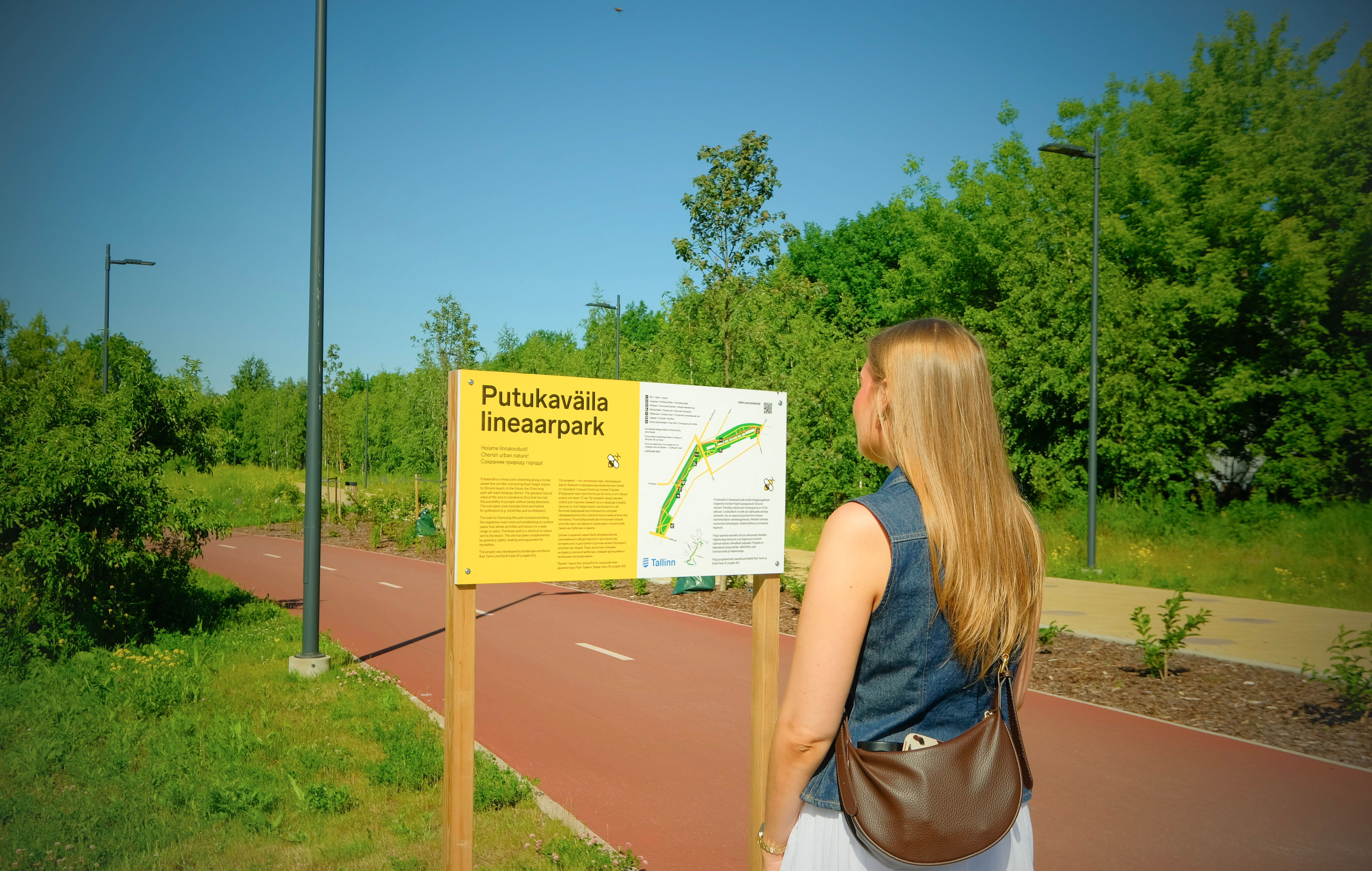
Along the Green Cycle Path Towards the Sea
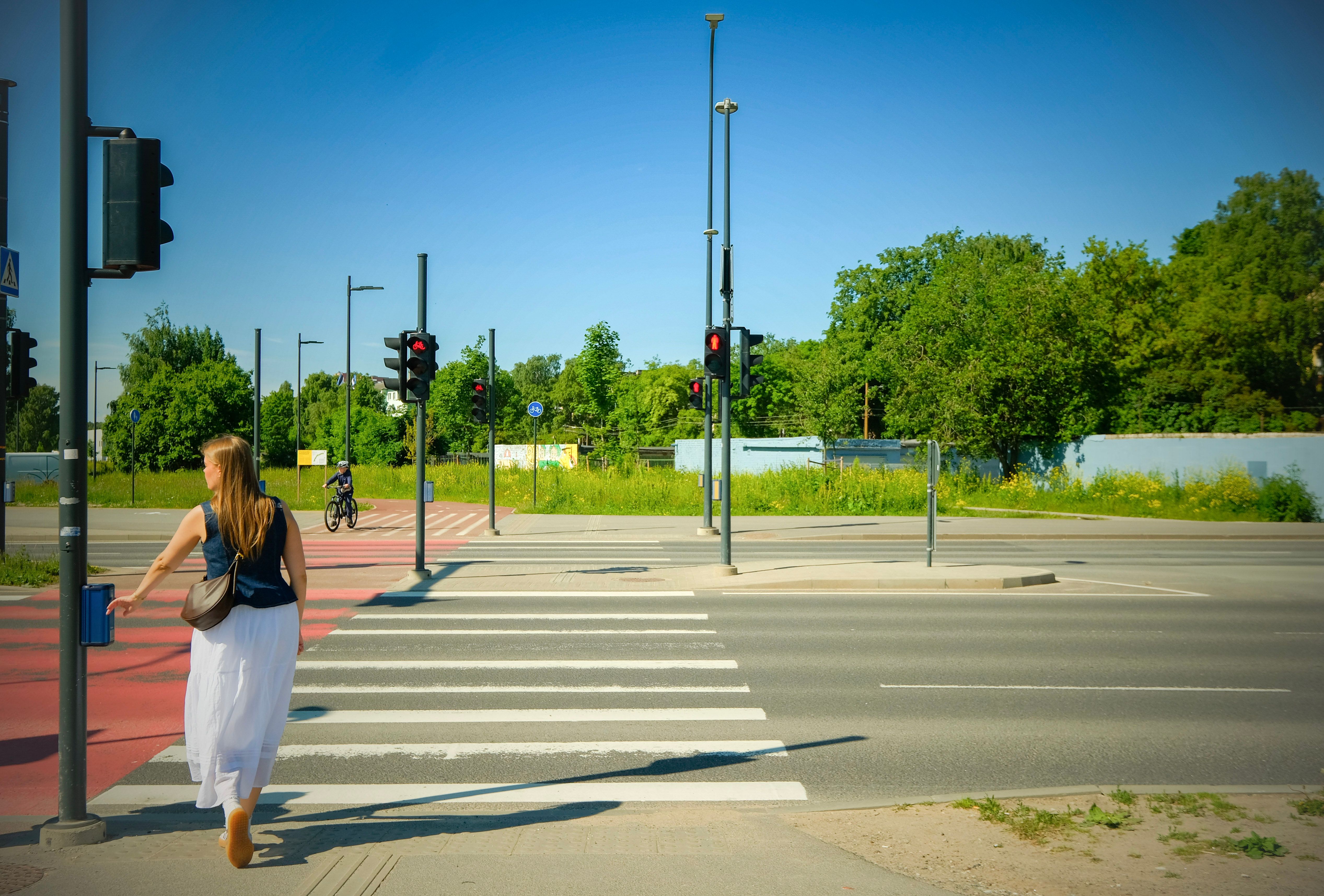
The Pollinator Highway is bisected by Sõle Avenue, which links the North Tallinn district with the city centre. Cross the road and your journey can continue, this time towards the Pelgurand district and Stroomi Beach.
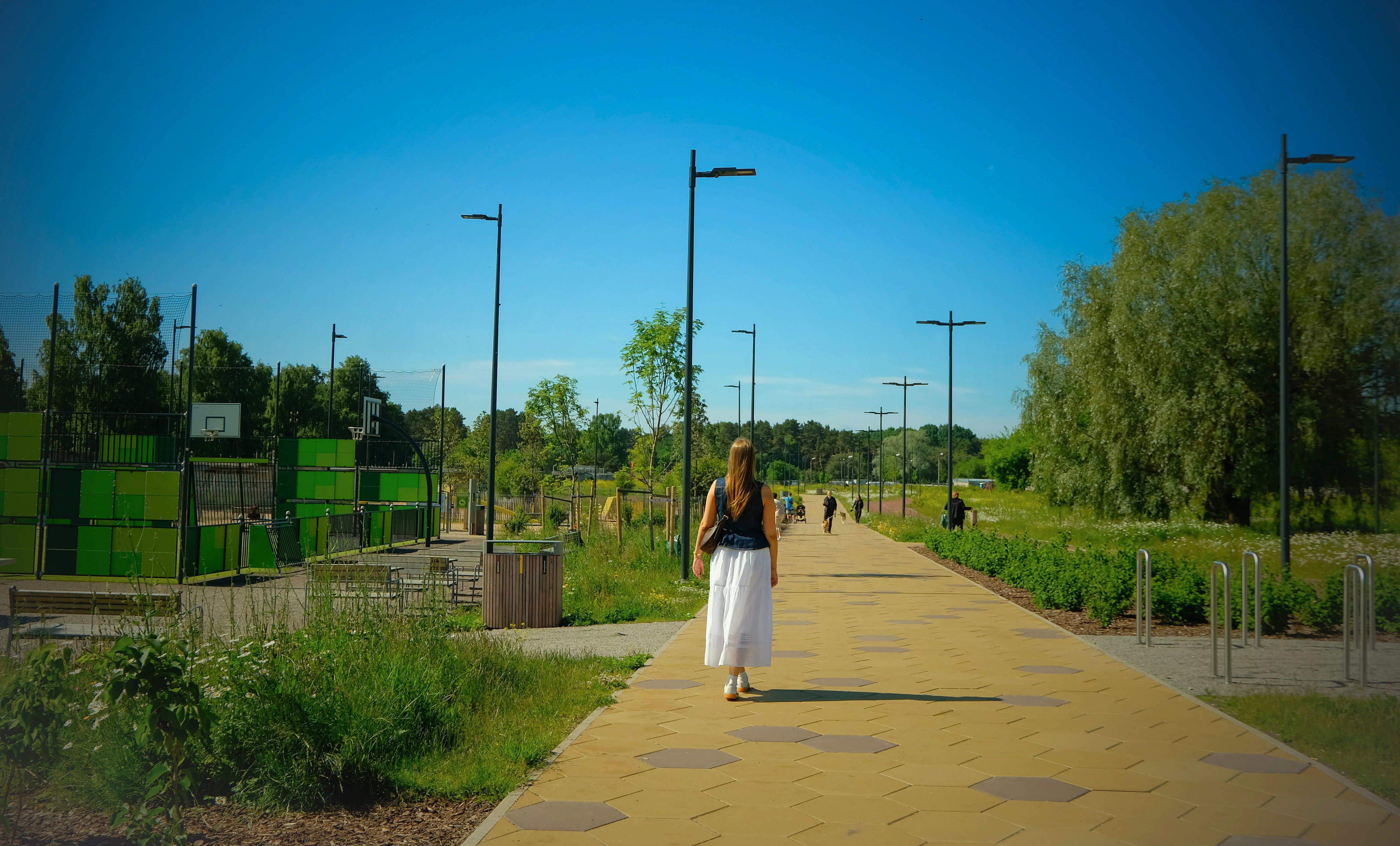
This section of the Pollinator Highway offers a wealth of exciting activities for children, pets and nature lovers. On the way, you will pass an outdoor gym, playgrounds and a dog park, where there are separate areas for large and small dogs.
At the end of the Pollinator Highway (or the start, depending on where you begin your walk) lies a wonderful community garden named Pelguaed. This is where locals grow vegetables and herbs and work together to keep the garden in order. It is customary to share seeds with one another and to lend a hand to a neighbour if they are unable to water their vegetable patch for a few weeks.
Along Kolde Boulevard to Stroomi Beach
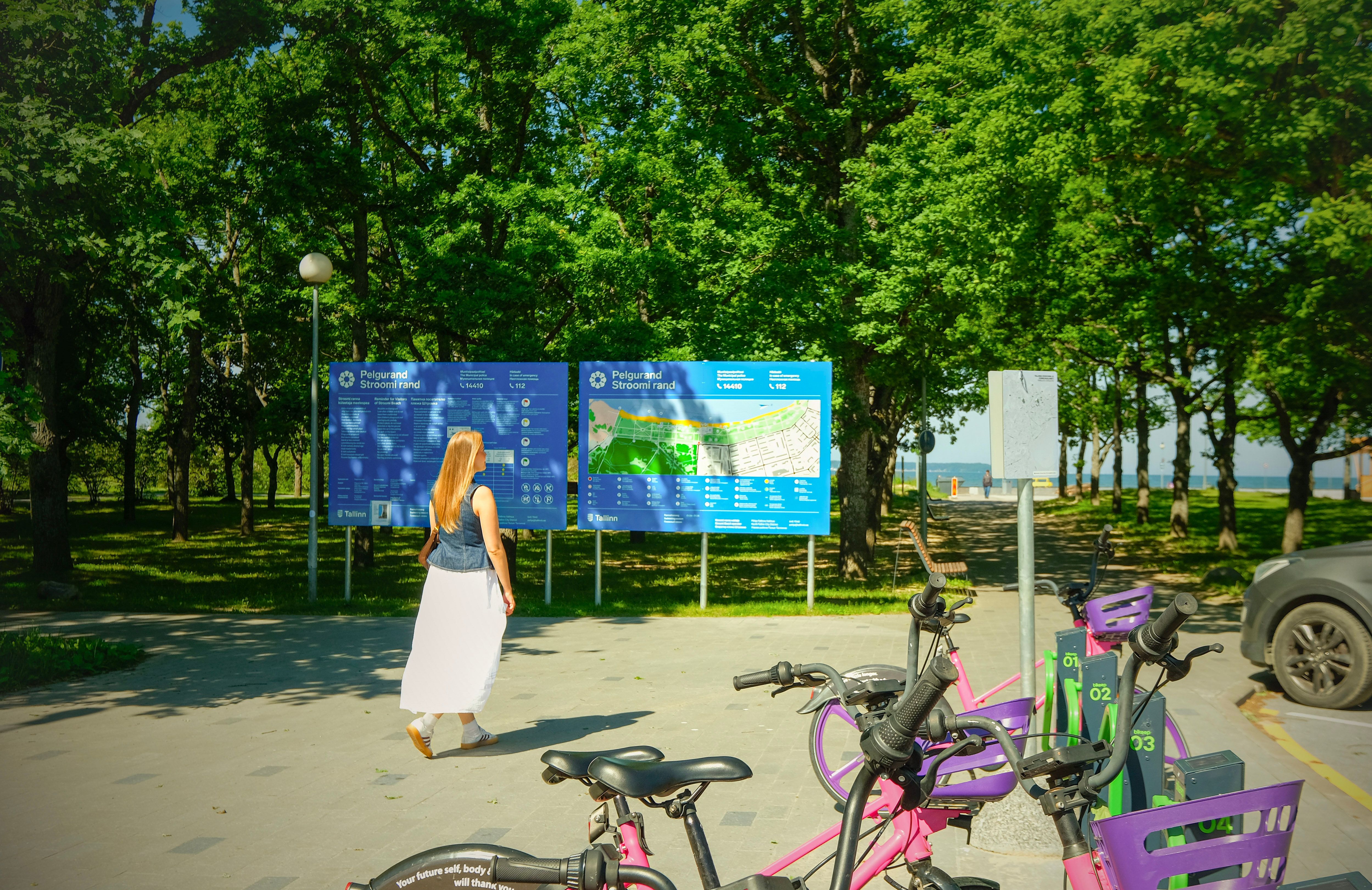
The end of the Pollinator Highway is only the halfway point on our journey. The walk continues to the right along Kolde Boulevard, taking you to Stroomi Beach, which is the closest beach to Tallinn city centre. Finished in 2026, the Stroomi beach house is home to a restaurant and beach bar in addition to a public terrace on the second floor that offers a wonderful view of the sea and Rocca al Mare, where your journey will soon take you.
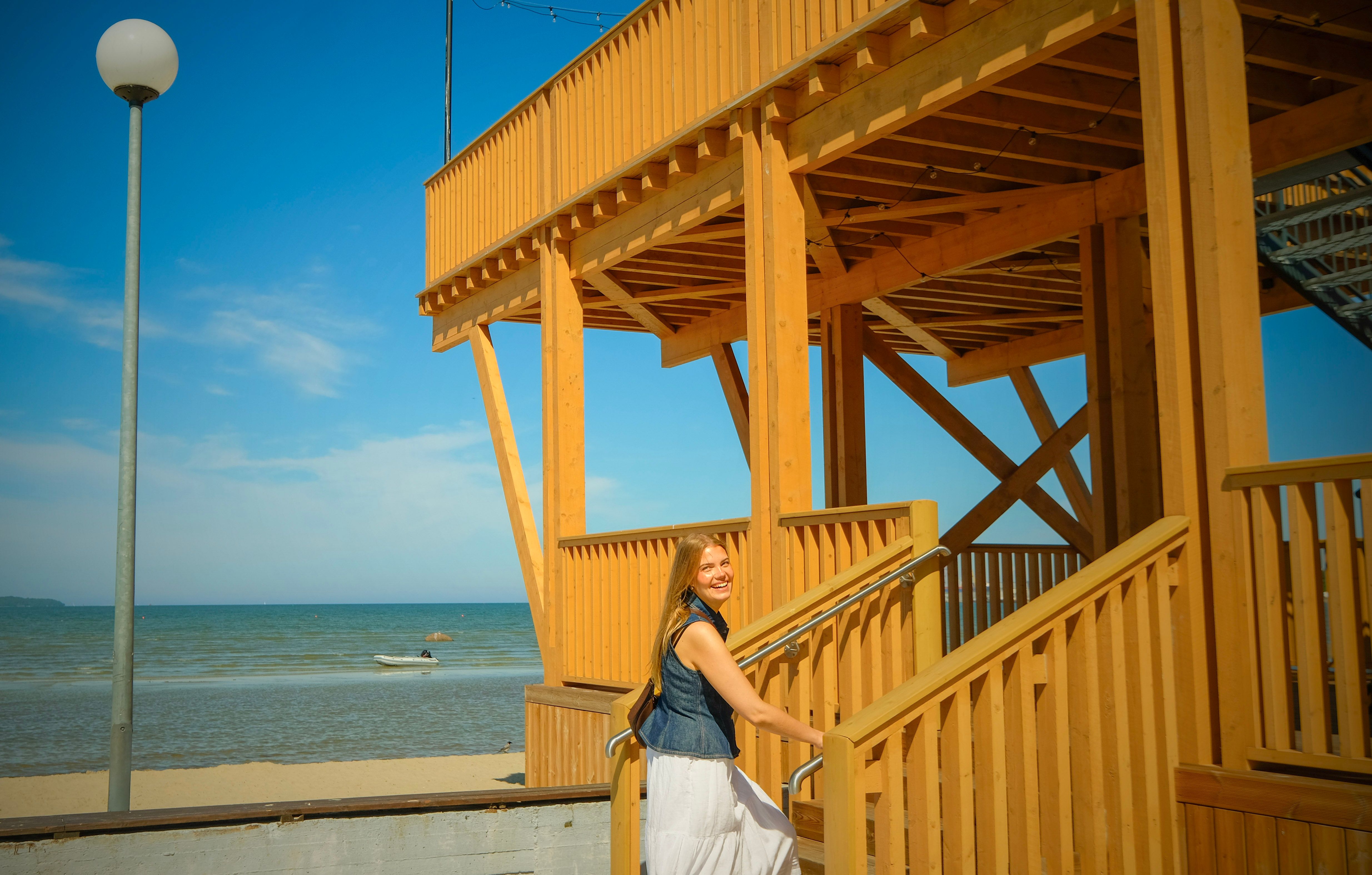
Stroomi Beach is bordered by a forest and a beach park, which offer opportunities for exercise, picnics or barbecues, and there are no fewer than three separate children’s playgrounds for children at Stroomi Beach. There is also a surf club on the beach where you can hire SUP boards. During the summer season, the numerous ice-cream kiosks along the beach are enjoyed by young and old alike.
If you start to get tired here, you can hop on a bus to get to Rocca al Mare and the Estonian Open Air Museum. Walk along Lahepea Street until you reach Paldiski Road; on your left, opposite the West Tallinn Central Hospital, is the Humala bus stop. Bus 41 will take you straight to the Open Air Museum (Rocca al Mare stop), whilst buses 21, 25 and 42 run past the Rocca al Mare shopping centre and stop opposite Tallinn Zoo. See public transport timetables: transport.tallinn.ee.
However, if you want to continue on foot, carry on along the seaside cycle path.
Rocca al Mare Promenade and Bird Observation Tower
From the beach, the route continues towards Rocca al Mare, along the promenade of the same name. It is worth keeping an eye out on this stretch, as cyclists and roller skaters also use this path.
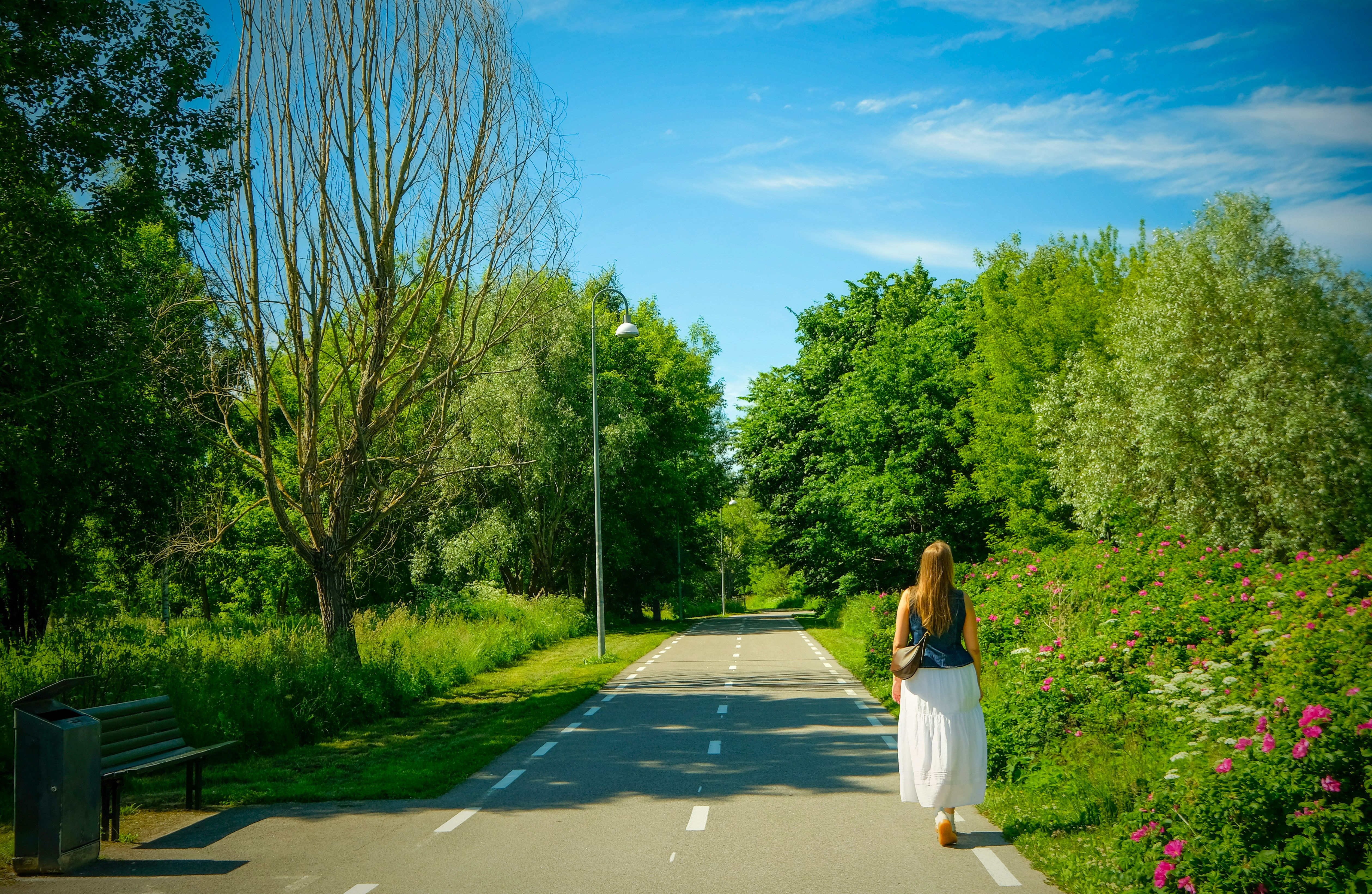
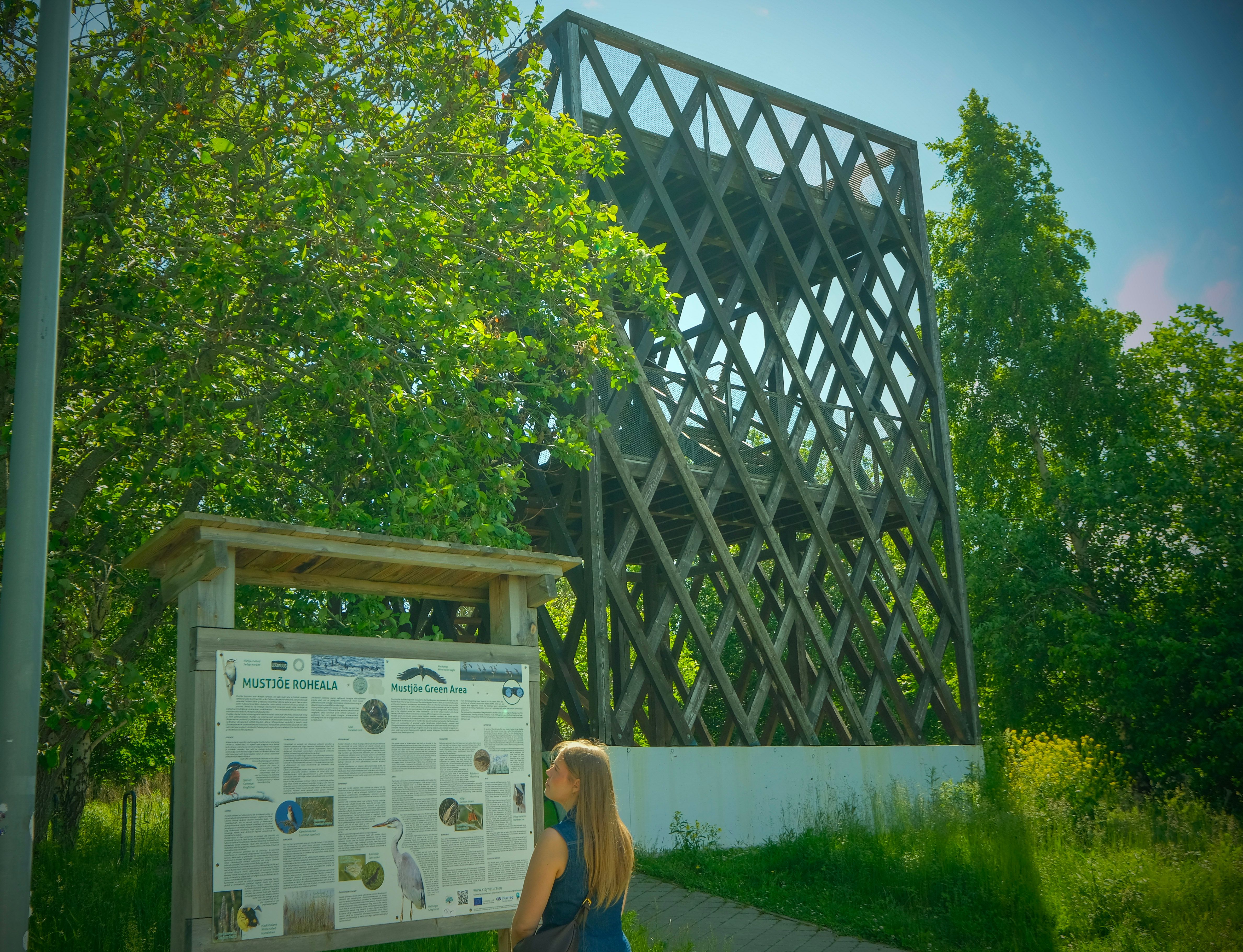
Leaving the bustling beach area and residential neighbourhood behind, you now enter a coastal natural environment that is home to local waterbirds and shorebirds, as well as species that nest in the reed beds. Amongst others, swans, geese, various species of duck and sedge warblers have been spotted in this area. You can get a closer look at their lives (and the beautiful sea view)from the Mustjõe bird observation tower, which is on the way. The promenade is lined with numerous benches where you can comfortably rest your feet and enjoy the sea view.
Rocca al Mare and the Open Air Museum
Soon, you will find yourself back in a residential and commercial area after passing through the natural surroundings. You will pass by the Rocca Al Mare Shopping Centre, where you can take a break for some shopping or a bite to eat. Across the road from the shopping centre is the Tallinn Zoo, with fun activities and things to learn for all ages. Admission to the zoo is free with the Tallinn Card.
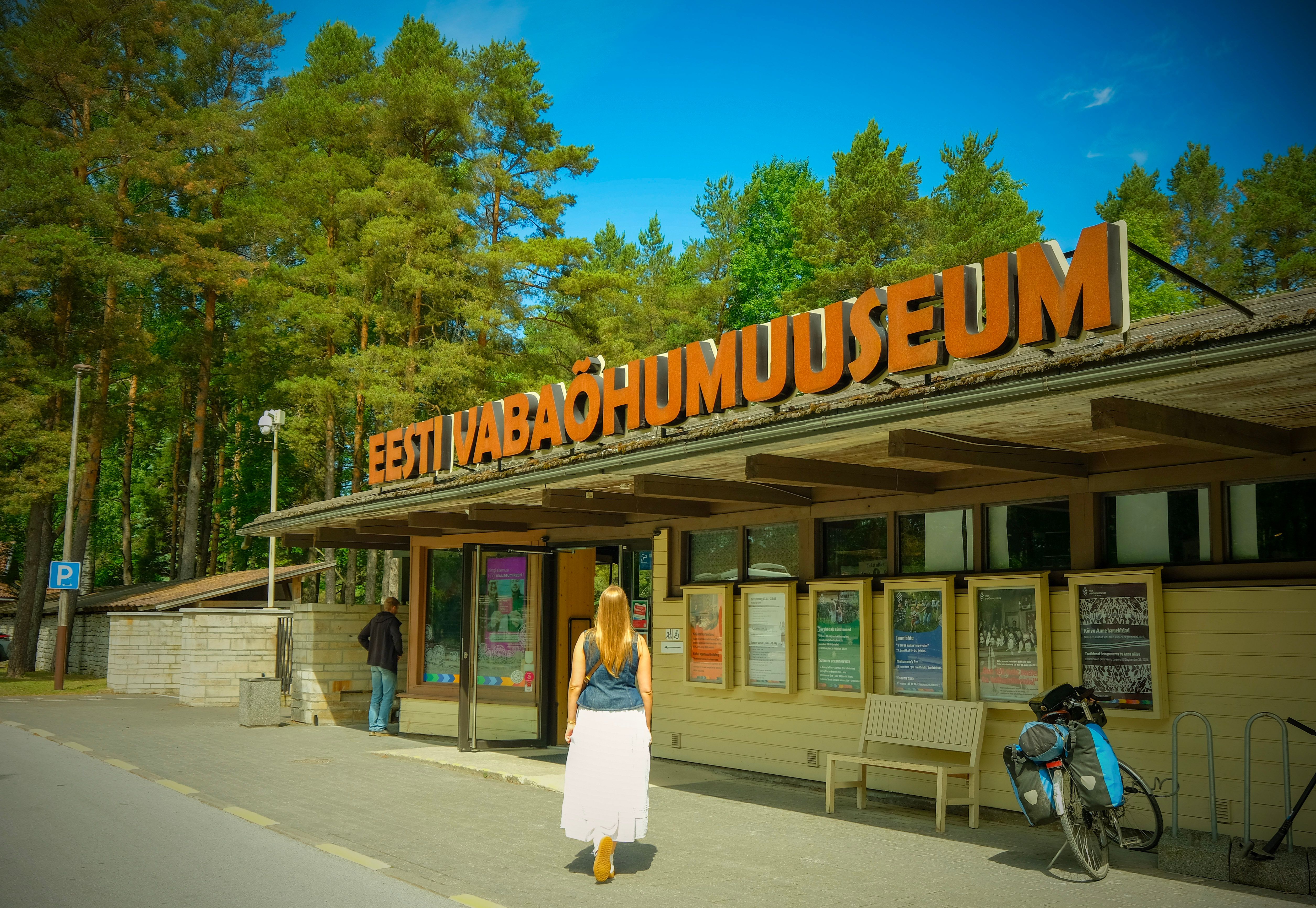
If you continue along the route, you will reach Vabaõhumuuseumi tee, the road leading to the Estonian Open Air Museum. The museum showcases the way of life, dwellings and traditions of Estonians from the 17th to the 21st century. Spanning more than 80 hectares, the site offers visitors the chance to explore historic farmhouses, whilst the schoolhouse, chapel and local shop are also open to the public. The museum is also home to the historic Kolu Inn, where you can sample traditional Estonian dishes such as mulgipuder, kama and soda bread. Entry to the museum is free with a Tallinn Card.
Where to next? Haven Kakumäe and Kakumäe Beach
This museum, which showcases the people of Estonia and their traditions, is a wonderful final stop on a long journey, and by the time you arrive here, you will certainly have taken more than 10,000 steps.
If you want to continue exploring the area, carry on northwards to the Kakumäe peninsula, where you can make your next stop at the Haven Kakumäe Marina.
This is home to the Michelin-star restaurant Puri, where, in addition to a culinary experience, you can also enjoy a beautiful sea view. If you feel like a refreshing swim would be the perfect way to round off your trip, head to Kakumäe Beach. A beautiful natural sandy beach and refreshing water provide a wonderful end to a day full of discoveries.